

Disclaimer: In this article, I’ll be using the name “Jesus” as it appears in the KJV Bible. You’re welcome to use whatever form or pronunciation you prefer. This discussion isn’t about the correct way to say the Messiah’s name.
Have you ever heard someone claim that Paul’s teachings go against what the Most High says? One accusation is that Paul discouraged marriage, which seems to clash with the idea that it’s not good for a man to be alone. At first glance, this might look like a direct contradiction. But if we understand the tough times believers were living through when Paul wrote these words, it becomes clear he wasn’t opposing the Most High at all.
Instead of trying to stop people from marrying, Paul was giving advice suited to a period of intense hardship, persecution, and fear. He knew that caring for a family during such danger would be more challenging, and his counsel was meant to help believers remain faithful under pressure—not to dismiss marriage or the Most High’s intentions for us.
In this article, we’ll take a closer look at the accusations against Paul, examine the historical context, and discover how his words, far from contradicting the Most High, actually guided believers wisely during a difficult time.
Paul is speaking from his own experience as a single man who isn’t married:
1Co 7:7 KJV 7 For I would that all men were even as I myself. But every man hath his proper gift of God, one after this manner, and another after that.
Some people read verses like this and think that Paul is telling everyone to avoid marriage. They point to what he says next:
1Co 7:8 KJV 8 I say therefore to the unmarried and widows, It is good for them if they abide even as I.
At first glance, this might seem to clash with the Most High’s original statement that it’s not good for a man to be alone:
Gen 2:18 KJV 18 And the LORD God said, It is not good that the man should be alone; I will make him an help meet for him.

How can Paul say it’s good to stay single if the Most High said it’s not good for man to be alone? This question is at the heart of the accusation—that Paul’s teaching goes against what the Most High says. But before we jump to conclusions, we need to understand the situation Paul was writing about.
Paul is making it clear that his advice applies to a specific situation:
1Co 7:26 KJV 26 I suppose therefore that this is good for the present distress, I say, that it is good for a man so to be.
In other words, Paul isn’t saying that being single is always best for everyone, everywhere, for all time. He’s talking about a particular period when believers were facing intense persecution. People were being hunted down for following Christ and even risking their lives. During such a crisis, having a family could make these hardships even heavier.
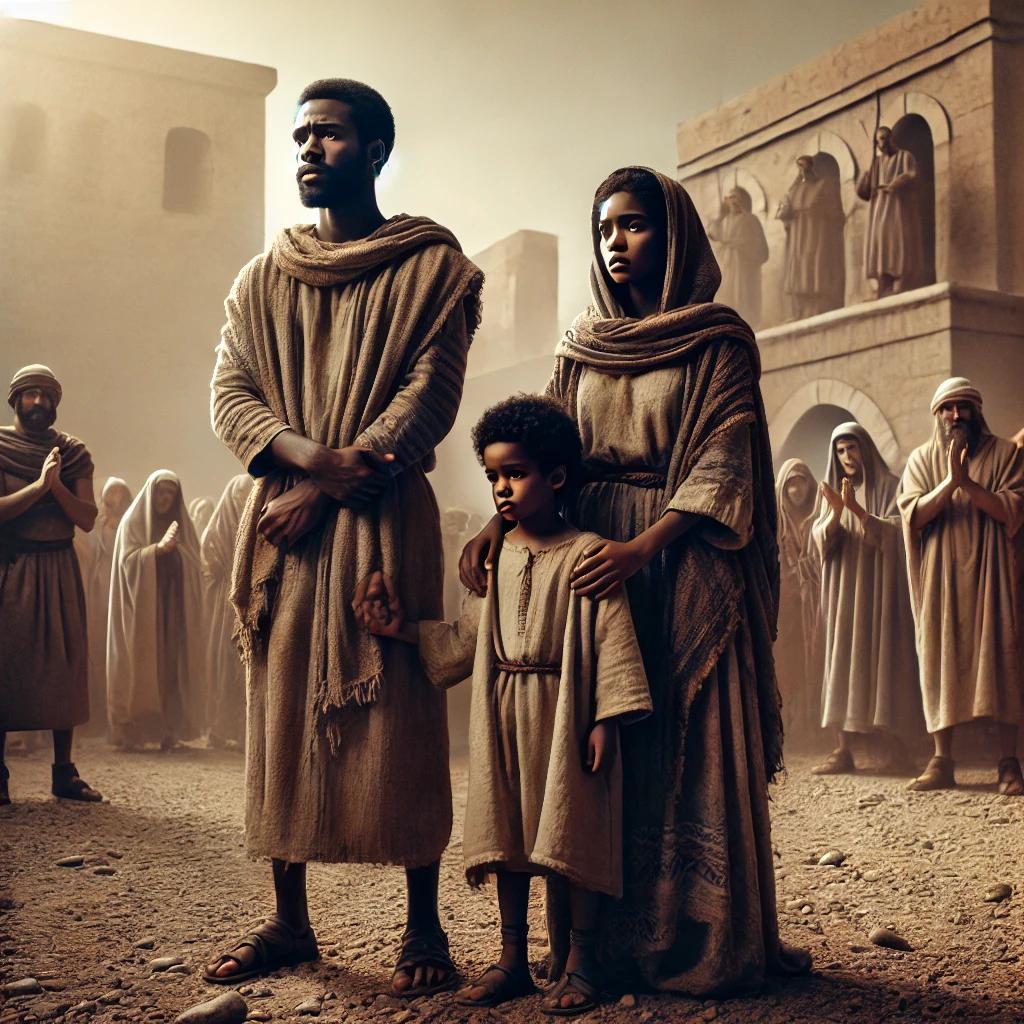
Paul understood the weight of having a spouse or family when the threat of arrest or death was so real. By advising believers to consider staying single, he wasn’t rejecting marriage as God intended it—he was showing compassion. He wanted to spare them the added heartbreak and worries that could come when evil men might use one’s loved ones as leverage or targets. In short, Paul’s guidance fit the urgent and dangerous times they were living through, not an everyday situation.
Paul understood these dangers firsthand, because he once stood on the other side—hunting down anyone who followed Jesus. When he was known as Saul, he viewed believers as idolaters, thinking he was upholding God’s law by rooting them out. He even asked for letters from the high priest, giving him the authority to bring both men and women back in chains:

Act 9:1-2 KJV 1 And Saul, yet breathing out threatenings and slaughter against the disciples of the Lord, went unto the high priest,
2 And desired of him letters to Damascus to the synagogues, that if he found any of this way, whether they were men or women, he might bring them bound unto Jerusalem.
Now, imagine how hard it would be to stay focused on serving the Most High if your wife or husband were captured just for believing. That’s why Paul said it was better to remain single during that time of heavy persecution:
[1Co 7:26 KJV] 26 I suppose therefore that this is good for the present distress, I say, that [it is] good for a man so to be.
He wasn’t telling married people to get divorced, nor was he saying it was wrong to marry. He was advising them in the midst of serious trouble—people being hunted and even killed for following Jesus. A person could choose to remain single to avoid added worries, but if someone did get married, it wasn’t a sin. It just came with more challenges during that dangerous time:
1Co 7:27-28 KJV 27 Art thou bound unto a wife? seek not to be loosed. Art thou loosed from a wife? seek not a wife.
28 But and if thou marry, thou hast not sinned; and if a virgin marry, she hath not sinned. Nevertheless such shall have trouble in the flesh: but I spare you.
Paul’s guidance fit the reality believers were facing back then, not a peaceful environment free of threats. He was caring for their well-being, not contradicting the Most High’s design for marriage.

Some might wonder why Paul didn’t just encourage everyone to have stronger faith instead of advising against marriage. But remember, Paul was dealing with new believers—“babes in Christ”—who weren’t yet strong enough to handle serious persecution without stumbling:
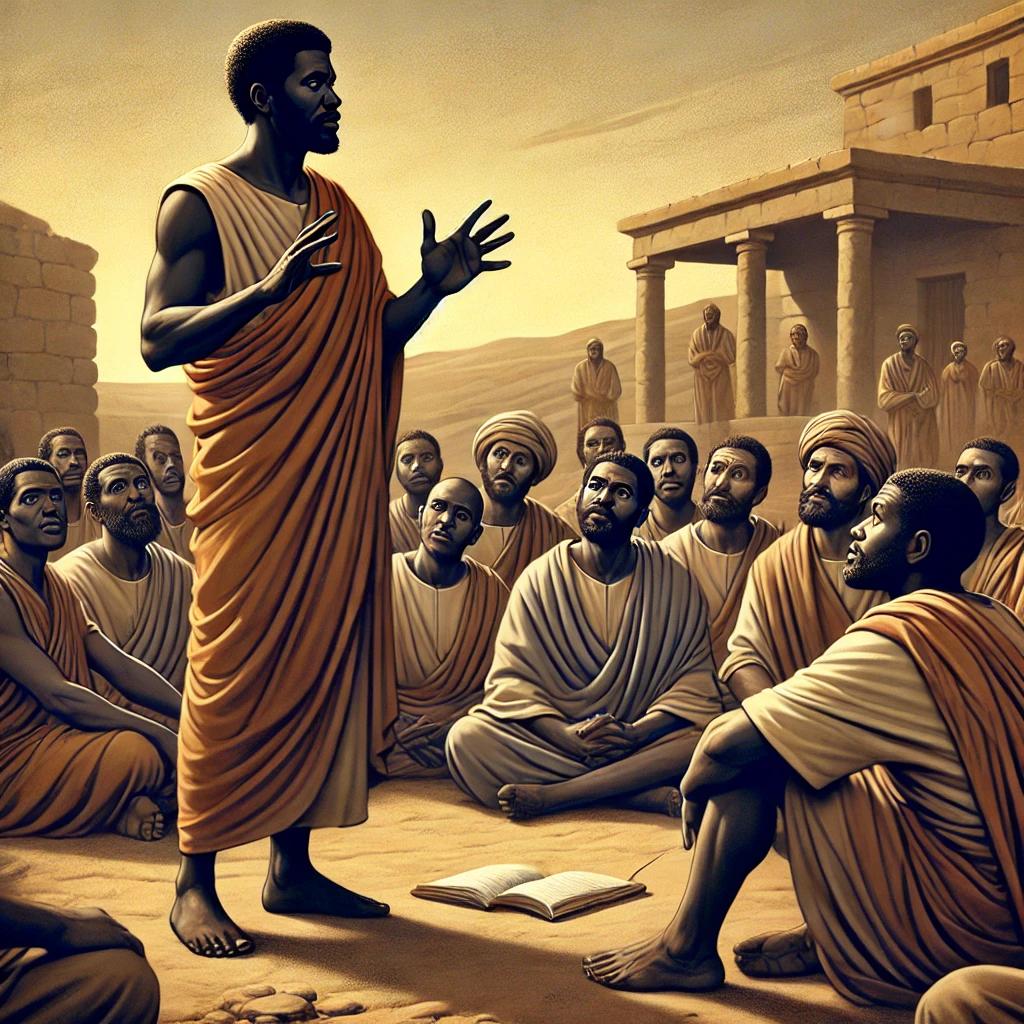
1Co 3:1 KJV]1 And I, brethren, could not speak unto you as unto spiritual, but as unto carnal, even as unto babes in Christ.
Paul knew that if these young believers faced danger to their loved ones, it could be too much for them. Some might even deny Jesus to keep their families safe. By staying single, they had one less worry during these troubled times and could remain more focused and faithful.
This doesn’t mean marriage is wrong or a sin. Paul makes it clear that getting married isn’t sinful, but that it would bring more hardships in that specific era of danger:
1Co 7:28 KJV 28 But and if thou marry, thou hast not sinned; and if a virgin marry, she hath not sinned. Nevertheless such shall have trouble in the flesh: but I spare you.
His advice fit that unique moment in history when believers were under intense pressure. While we don’t face the same persecution today, we still know that marriage comes with its own challenges. It’s a serious commitment and should be approached with careful thought.

It’s true that Paul’s advice about remaining single applied to a time of intense persecution, but that doesn’t mean marriage is always easy. Even without persecution, marriage comes with its own challenges, and believers should take this commitment seriously.
Some people twist Paul’s words to claim that a husband can ignore his wife. That’s not what Paul meant at all. Just before, he said men shouldn’t seek to be rid of their wives. When Paul wrote, “they that have wives be as though they had none” (1Co 7:29), he wasn’t saying to neglect a wife. He was urging believers to remember that time was short, and to keep their main focus on serving the Most High.
The rest of Paul’s teachings show how husbands and wives should treat each other. He told husbands to love their wives so deeply that they’d even be willing to die for them, just as Christ died for the church:

[Eph 5:25 KJV] 25 Husbands, love your wives, even as Christ also loved the church, and gave himself for it;
He also said that a husband should love his wife as much as he loves himself, and that a wife should respect her husband:
[Eph 5:28 KJV] 28 So ought men to love their wives as their own bodies. He that loveth his wife loveth himself.
[Eph 5:31-33 KJV] 31 For this cause shall a man leave his father and mother, and shall be joined unto his wife, and they two shall be one flesh.
32 This is a great mystery: but I speak concerning Christ and the church.
33 Nevertheless let every one of you in particular so love his wife even as himself; and the wife [see] that she reverence [her] husband.

In other words, marriage requires love, respect, and understanding. Paul’s words about being single were meant for a specific time of crisis, not to justify mistreating or ignoring one’s spouse. Instead, both husband and wife should honor and care for each other, just as Christ cares for His people.
Nevertheless, when we consider Paul’s instructions, it’s clear he’s focusing on what’s best for believers during hard times. As a single person, you can devote yourself fully to serving the Most High without worrying about the needs of a spouse. Paul explains it this way:
[1Co 7:29, 32 KJV] 29 But this I say, brethren, the time [is] short: it remaineth, that both they that have wives be as though they had none; … 32 But I would have you without carefulness. He that is unmarried careth for the things that belong to the Lord, how he may please the Lord:
If you’re married, it’s natural to spend time and energy caring for your spouse. While that’s not wrong, it can mean you have less time to focus on the Most High:
[1Co 7:33 KJV] 33 But he that is married careth for the things that are of the world, how he may please [his] wife.

Some people take this to an extreme—spending all their time trying to please their spouse and neglecting the Most High. The same principle applies to women: an unmarried woman can focus on serving the Lord fully, while a married woman also has to care for her husband’s needs. This responsibility isn’t sinful or bad; it’s simply a reality of marriage:
[1Co 7:34 KJV] 34 There is difference [also] between a wife and a virgin. The unmarried woman careth for the things of the Lord, that she may be holy both in body and in spirit: but she that is married careth for the things of the world, how she may please [her] husband.
Paul’s point here is that staying single can help you keep your focus on the Most High without added distractions. This was especially important during those troubled times when believers faced severe hardships:
[1Co 7:35 KJV] 35 And this I speak for your own profit; not that I may cast a snare upon you, but for that which is comely, and that ye may attend upon the Lord without distraction.
In other words, Paul isn’t against marriage; he’s just acknowledging that being married brings extra responsibilities. Under the circumstances of that era, staying single was a practical choice to remain fully devoted to serving the Most High.

Jer 16:1 The word of the LORD came also unto me, saying,
Jer 16:2 Thou shalt not take thee a wife, neither shalt thou have sons or daughters in this place.
Jer 16:3 For thus saith the LORD concerning the sons and concerning the daughters that are born in this place, and concerning their mothers that bare them, and concerning their fathers that begat them in this land;
Jer 16:4 They shall die of grievous deaths; they shall not be lamented; neither shall they be buried; but they shall be as dung upon the face of the earth: and they shall be consumed by the sword, and by famine; and their carcases shall be meat for the fowls of heaven, and for the beasts of the earth.
The Lord told Jeremiah not to marry or have children in that land because He knew great suffering was coming. If Jeremiah had a family, it would have been heartbreaking to watch them go through all the trouble that lay ahead. By staying single, Jeremiah could remain focused on his mission and spare himself the extra pain and worry that would come with a family during such distressing times.
This example shows that the idea of remaining single in tough situations isn’t new to Paul’s writings. Just as Jeremiah was advised to avoid marriage for his own good and the sake of his mission, Paul recommended singleness to believers facing severe persecution, so they could fully devote themselves to serving the Most High without the added burden of family responsibilities during dangerous times.

Mat 19:1 And it came to pass, that when Jesus had finished these sayings, he departed from Galilee, and came into the coasts of Judaea beyond Jordan;
Mat 19:2 And great multitudes followed him; and he healed them there.
Mat 19:3 The Pharisees also came unto him, tempting him, and saying unto him, Is it lawful for a man to put away his wife for every cause?
Mat 19:4 And he answered and said unto them, Have ye not read, that he which made them at the beginning made them male and female,
Mat 19:5 And said, For this cause shall a man leave father and mother, and shall cleave to his wife: and they twain shall be one flesh?
Mat 19:6 Wherefore they are no more twain, but one flesh. What therefore God hath joined together, let not man put asunder.
Mat 19:7 They say unto him, Why did Moses then command to give a writing of divorcement, and to put her away?
Mat 19:8 He saith unto them, Moses because of the hardness of your hearts suffered you to put away your wives: but from the beginning it was not so.
Mat 19:9 And I say unto you, Whosoever shall put away his wife, except it be for fornication, and shall marry another, committeth adultery: and whoso marrieth her which is put away doth commit adultery.
Mat 19:10 His disciples say unto him, If the case of the man be so with his wife, it is not good to marry.
Mat 19:11 But he said unto them, All men cannot receive this saying, save they to whom it is given.
Mat 19:12 For there are some eunuchs, which were so born from their mother’s womb: and there are some eunuchs, which were made eunuchs of men: and there be eunuchs, which have made themselves eunuchs for the kingdom of heaven’s sake. He that is able to receive it, let him receive it.
After Jesus taught about the seriousness of marriage and how it shouldn’t be taken lightly, His disciples commented that maybe it’s better not to marry at all. Jesus responded by explaining that not everyone can handle this idea, but some people choose a single life for the kingdom’s sake. In other words, staying unmarried can make it easier to focus on serving God without the extra responsibilities of marriage.
This doesn’t mean Jesus was against marriage. Instead, He recognized that in certain situations or for certain people, singleness could be a better path. Just like Paul’s advice to the Corinthians, Jesus acknowledges that remaining single can allow someone to give their full attention to the Most High’s work, especially when circumstances are challenging.

 The Bible Vault