
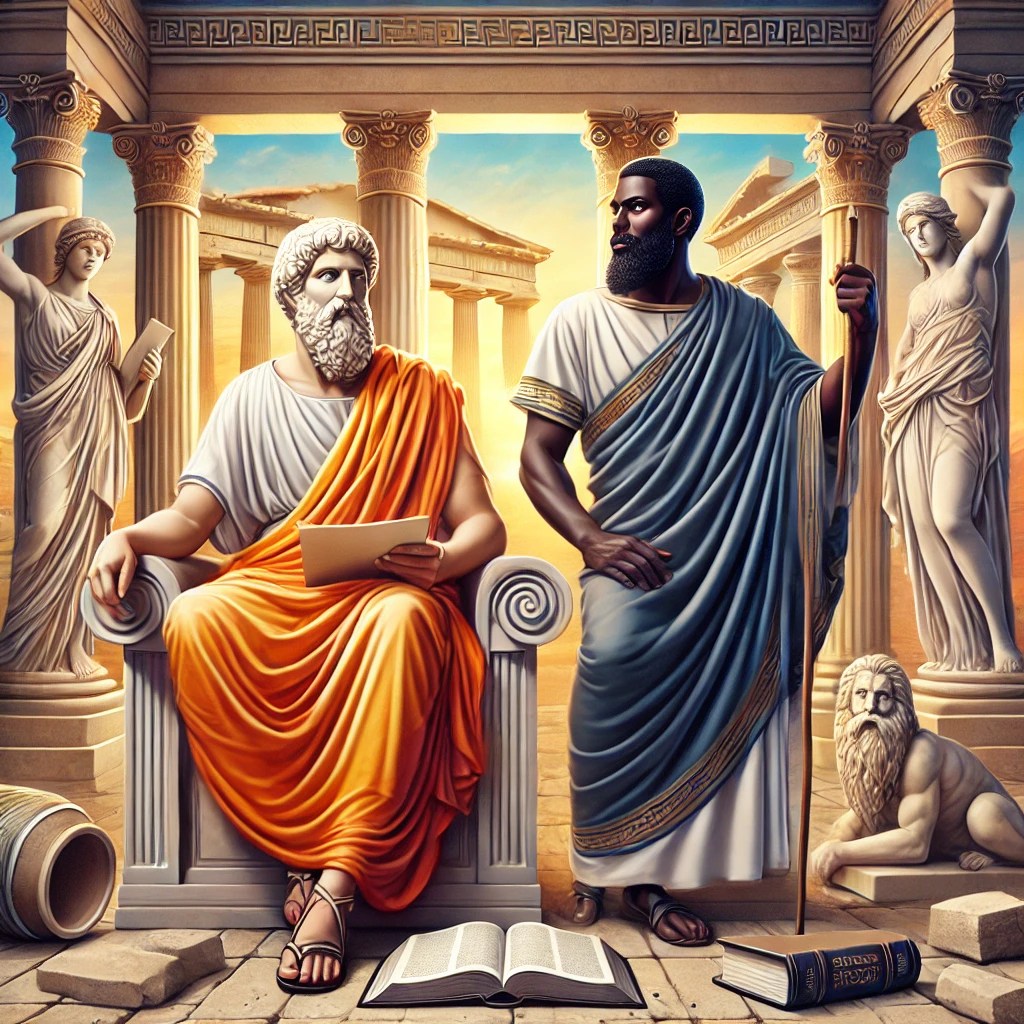
Some people have questioned why the Apostle Paul quoted lines from Greek poets and philosophers in his letters. To some, it might look like he was mixing pagan ideas with the faith, or relying on the words of men who didn’t follow the Most High. But when we take a closer look, we’ll see that Paul was actually using common sayings and familiar sources to reach the people right where they were. His goal wasn’t to promote pagan beliefs, but to help those who were used to Greek culture understand the truth about the Most High and His Messiah.
In this article, we’ll examine the examples of Paul quoting Greek writers like Menander, Epimenides, and Aratus. We’ll see that he did so to make a bigger point, to connect with his audience, and to guide them toward repentance and proper worship. By the end, it becomes clear that Paul’s use of these quotes wasn’t a departure from the faith—it was a teaching tool to bring people out of false ideas and into the light of the Gospel.
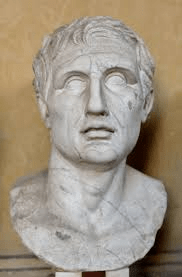
Menander, born around 332 BC, was a Greek playwright and philosopher who lived roughly 340 years before Paul’s time. He’s often credited with the saying, “Evil communications corrupt good manners,” which Paul later uses in his own writing. Menander’s words were well-known among those familiar with Greek culture, making them a useful point of reference for Paul when speaking to believers who had grown up around Greek traditions and ideas.
1Co 15:33 KJV Be not deceived: evil communications corrupt good manners.
Paul’s decision to use Menander’s saying isn’t a problem at all, because the statement itself is true.
Just like we quote well-known phrases today, Paul took a familiar line to make a point that his readers would understand. He was reaching out to people raised in a Greek cultural setting, using something they already knew to guide them back onto the right path. By doing this, Paul wasn’t endorsing pagan beliefs—he was using a relatable, everyday saying to highlight a timeless truth.
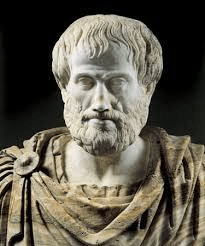
Epimenides, who lived several centuries before Paul, was another figure whose words Paul referenced. Epimenides was held in high regard by his own people, who considered him somewhat prophetic. So when Paul calls him “a prophet of their own” in Titus, he isn’t claiming Epimenides was a true prophet of the Most High. He’s just using the language familiar to his audience, quoting someone they respect in order to prove a larger point.
[Tit 1:12 KJV] 12 One of themselves, even a prophet of their own, said, The Cretians are alway liars, evil beasts, slow bellies.
By using Epimenides’ words, Paul connects with the people in Crete on their own terms. He shows them that even someone they consider wise calls them out for their dishonesty. In doing this, Paul isn’t endorsing Epimenides’ beliefs—he’s simply making a strong case against false teachings and bad behavior by using a source the locals already trust.
In Crete, there were Israelite teachers who were misleading people with false doctrines, motivated by greed. Paul points this out, calling them unruly and deceptive:
[Tit 1:10 KJV] 10 For there are many unruly and vain talkers and deceivers, specially they of the circumcision:
These individuals were turning entire households away from the truth to make money off their teachings:
[Tit 1:11 KJV] 11 Whose mouths must be stopped, who subvert whole houses, teaching things which they ought not, for filthy lucre’s sake.
To drive his point home, Paul quotes Epimenides—someone the locals respected—who once said the Cretans were “always liars, evil beasts, slow bellies”:
[Tit 1:12 KJV] 12 One of themselves, even a prophet of their own, said, The Cretians are alway liars, evil beasts, slow bellies.
By using Epimenides’ words, Paul shows that even a source they hold in high esteem calls out these liars. Paul isn’t praising Epimenides as a true prophet of God. Instead, he’s using a familiar voice to highlight the dishonest behavior happening in Crete. It’s a tactic to help his readers see the truth: that these false teachers, though Jews, were acting just like the lying Cretans Epimenides described.
Paul wasn’t trying to elevate Epimenides or say that his words were on par with Scripture. He simply borrowed a familiar saying to drive home his point about certain Jews in Crete who were misleading believers. Paul confirms that the quote applies here and instructs Titus to correct these deceivers so they can return to a sound understanding of the faith:
[Tit 1:13-14 KJV] 13 This witness is true. Wherefore rebuke them sharply, that they may be sound in the faith; 14 Not giving heed to Jewish fables, and commandments of men, that turn from the truth.
In other words, Paul uses a “prophet” they respect to show them their error. It’s a teaching strategy—speaking in a way that people already understand. Even today, we often use well-known sayings, stories, or references to help others see things clearly. By meeting people where they are and relating to what they already know, we can guide them toward the truth.

Imagine you’re talking to someone who really looks up to a popular celebrity—let’s say a famous athlete known for saying, “Hard work beats talent when talent doesn’t work hard.” You’re trying to share the gospel and encourage them to see how putting effort into seeking God is just as important as any other kind of effort. Instead of jumping straight into Scripture, you could start by reminding them of their favorite athlete’s quote. You might say, “You know how that athlete always says, ‘Hard work beats talent when talent doesn’t work hard’? Well, in a similar way, no matter how much natural ability or opportunity we have, if we don’t actively seek the Most High and follow His ways, we’re missing out on what really matters.”
By using a line they respect and understand, you’re not putting the celebrity on the same level as Scripture. You’re simply using something they connect with to point them toward a deeper truth. This is what Paul did—he took a familiar quote, something people already accepted, and used it as a starting point to guide them toward the message of the Most High.
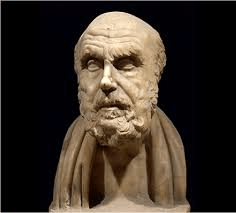
Aratus, who lived around 300 years before Paul, wrote poetry praising Zeus. The line Paul quotes—“For we are also his offspring”—originally referred to a pagan god. At first glance, it might seem like Paul is mixing false beliefs with the truth about the Most High. But in reality, he’s just using a familiar phrase to connect with his audience:
[Act 17:28 KJV] 28 For in him we live, and move, and have our being; as certain also of your own poets have said, For we are also his offspring.

Paul arrived in Athens and found the city filled with idols:
[Act 17:16 KJV] 16 Now while Paul waited for them at Athens, his spirit was stirred in him, when he saw the city wholly given to idolatry.
Even though the people there were called Greeks, many of them were actually Jews living in Greece. Paul went into the synagogues and the marketplaces to reason with them and others who were interested:
[Act 17:17 KJV] 17 Therefore disputed he in the synagogue with the Jews, and with the devout persons, and in the market daily with them that met with him.
When Paul started talking about Jesus and the resurrection, the local philosophers—the Epicureans and Stoics—thought he was introducing foreign gods they’d never heard of:
[Act 17:18 KJV] 18 Then certain philosophers of the Epicureans, and of the Stoicks, encountered him. And some said, What will this babbler say? other some, He seemeth to be a setter forth of strange gods: because he preached unto them Jesus, and the resurrection.
These people weren’t familiar with Jesus or the Most High. Zeus and other Greek deities were all they knew. Hearing Paul’s teachings sounded like a brand-new belief system to them:
[Act 17:19 KJV] 19 And they took him, and brought him unto Areopagus, saying, May we know what this new doctrine, whereof thou speakest, is?
[Act 17:20 KJV] 20 For thou bringest certain strange things to our ears: we would know therefore what these things mean.
Athens was a place where everyone loved talking about and debating different ideas, so Paul’s message was just another “new thing” for them to discuss:
[Act 17:21 KJV] 21 (For all the Athenians and strangers which were there spent their time in nothing else, but either to tell, or to hear some new thing.)
In other words, the Athenians loved fresh ideas. Paul’s message about the true God and the resurrection stood out as something they’d never considered before.
As Paul stood on Mars’ Hill, he highlighted the Athenians’ spiritual confusion. They had so many idols that they even built an altar to an “unknown god.” Using this as his starting point, Paul introduced them to the true God.
[Act 17:22-23 KJV] 22 Then Paul stood in the midst of Mars’ hill, and said, Ye men of Athens, I perceive that in all things ye are too superstitious. 23 For as I passed by, and beheld your devotions, I found an altar with this inscription, TO THE UNKNOWN GOD. Whom therefore ye ignorantly worship, him declare I unto you.
Although the Athenians were used to praising Zeus—who was honored with temples and statues—Paul made it clear that the true God doesn’t dwell in buildings built by human hands, nor does He need human service as though He’s lacking anything:
[Act 17:24-25 KJV] 24 God that made the world and all things therein, seeing that he is Lord of heaven and earth, dwelleth not in temples made with hands;
25 Neither is worshipped with men’s hands, as though he needed any thing, seeing he giveth to all life, and breath, and all things;
By quoting their own poets, Paul redirected words once applied to Zeus, showing that this truth actually points to the Most High:
[Act 17:26-28 KJV] 26 And hath made of one blood all nations of men for to dwell on all the face of the earth… 27 That they should seek the Lord… 28 For in him we live, and move, and have our being; as certain also of your own poets have said, For we are also his offspring.
If we are truly God’s offspring, then we shouldn’t reduce Him to a statue made of gold, silver, or stone. A living God who made us living beings can’t be confined by material objects:
[Act 17:29 KJV] 29 Forasmuch then as we are the offspring of God, we ought not to think that the Godhead is like unto gold, or silver, or stone, graven by art and man’s device.
Paul’s method was simple but powerful: he used what the Athenians already knew—their own religious practices, their own philosophical sayings—and redirected their understanding toward the Most High. In doing this, he helped them see that the true God is far beyond the limits of their idols and philosophies, deserving all honor and worship as the source of life itself.

[Act 17:29 KJV] 29 Forasmuch then as we are the offspring of God, we ought not to think that the Godhead is like unto gold, or silver, or stone, graven by art and man’s device.
The Most High allowed the Athenians’ ignorance for a time, but now that the truth was being revealed through Paul, it was time for them to repent and return to the Most High. Paul wasn’t embracing Greek philosophy; he was using it as a tool—taking what they knew and turning it toward the truth. He wasn’t Yahawashi, but he gave credit where it was due, guiding them to recognize the true source of life and meaning.
[Act 17:30 KJV] 30 And the times of this ignorance God winked at; but now commandeth all men every where to repent:
Paul also spoke with humility. Though he was free, he chose to become a servant to those who were lost, using wisdom to connect with them and lead them toward faith in the Most High:
[1Co 9:19 KJV] 19 For though I be free from all men, yet have I made myself servant unto all, that I might gain the more.
Today, some believers struggle to reach people from different backgrounds because they don’t know how to relate. Paul shows us how to adapt without compromising our beliefs—meeting people where they are, using common ground as a starting point, and gently steering them toward the truth:
[1Co 9:21 KJV] 21 To them that are without law, as without law, (being not without law to God, but under the law to Christ,) that I might gain them that are without law.
We should be able to handle any situation, becoming all things to all men—not by leaving our faith behind, but by using wisdom in how we reach out:
[1Co 9:22 KJV] 22 To the weak became I as weak, that I might gain the weak: I am made all things to all [men], that I might by all means save some.
In other words, just like Paul, we can use familiar ideas, quotes, or cultural references to connect with those we’re trying to reach, guiding them step-by-step into the fullness of the truth.

 The Bible Vault