

Clearing the Confusion Around Jeremiah 31
Jer 31:31-34
31 Behold, the days come, saith the LORD, that I will make a new covenant with the house of Israel, and with the house of Judah:
32 Not according to the covenant that I made with their fathers in the day that I took them by the hand to bring them out of the land of Egypt; which my covenant they brake, although I was an husband unto them, saith the LORD:
33 But this shall be the covenant that I will make with the house of Israel; After those days, saith the LORD, I will put my law in their inward parts, and write it in their hearts; and will be their God, and they shall be my people.
34 And they shall teach no more every man his neighbour, and every man his brother, saying, Know the LORD: for they shall all know me, from the least of them unto the greatest of them, saith the LORD: for I will forgive their iniquity, and I will remember their sin no more.
This article is part 2 of our New Covenant series.
Many people quote Jeremiah 31:31-34 to argue that we can’t be in the New Covenant yet, saying things like:
- “If we were in the New Covenant, everyone would already know God.”
- “The laws would be written in our hearts, not taught.”
- “Israel would be back in their land.”
Those are honest questions—but they come from misreading what Jeremiah actually said and not understanding how the prophecy is fulfilled through Christ.
In this study, we’re going to slow down and look carefully at the text.
We’ll show:
- Who our “neighbor” is under the New Covenant,
- What law is written in our hearts,
- And why being in the land of Israel is not the sign of the New Covenant—Christ is.
Who Is “Your Neighbor” in the New Covenant?
When Jeremiah 31:34 says,
They shall teach no more every man his neighbour, and every man his brother, saying, Know the Lord: for they shall all know me…”
—many take that to mean no one will need teachers or preaching anymore.
But that’s not what the verse means.
The key is understanding who “your neighbor” is under the New Covenant.
In the Old Covenant, your neighbor meant your fellow Israelite — anyone of your nation and community who was part of the covenant by birth. They all had to be taught to know God, because many were Israelites by flesh but unbelievers at heart.
In the New Covenant, it’s different.
Your “neighbor” is your fellow believer—those already born again, who already know God through Christ.
Mat 12:46-50
46 While he was still speaking to the people, behold, his mother and his brothers stood outside, asking to speak to him.
48 But he replied to the man who told him, “Who is my mother, and who are my brothers?”
49 And stretching out his hand toward his disciples, he said, “Here are my mother and my brothers!
50 For whoever does the will of my Father in heaven is my brother and sister and mother.”
That’s why Jeremiah says they won’t need to teach each other to “know the Lord.” Every believer in the New Covenant already knows God personally — from “the least to the greatest.”
Whether someone is new in the faith (“least”) or mature in understanding (“greatest”), they’re already part of the fold, already drawn by the Spirit.
To “know God” means to believe in Him and obey Him—not just to know about Him.
Every true believer knows God in that way.
Christ Confirms This – John 6:45
Jesus Himself explains this prophecy when He quotes it in John 6:45:
“It is written in the prophets, And they shall be all taught of God.
Every man therefore that hath heard, and hath learned of the Father, cometh unto me.”
Here, Christ shows what Jeremiah 31 meant.
Those in the New Covenant aren’t taught by men to know God—they’re taught directly by the Father through the Spirit.
They hear, learn, and are drawn by God Himself.
This doesn’t mean believers never teach each other truths of Scripture—it means no one has to convince a true believer to know and follow God.
If they’re part of the New Covenant, that relationship already exists.
The laws in our heart
Jer 31:33
33 For this is the covenant that I will make with the house of Israel after those days, declares the LORD: I will put my law within them, and I will write it on their hearts. And I will be their God, and they shall be my people.
The Law Written in Our Hearts The Teaching of Christ
Before we go further, we need to understand what the word “law” really means.
In Hebrew, Torah doesn’t just mean rules — it means teaching, instruction, or guidance.
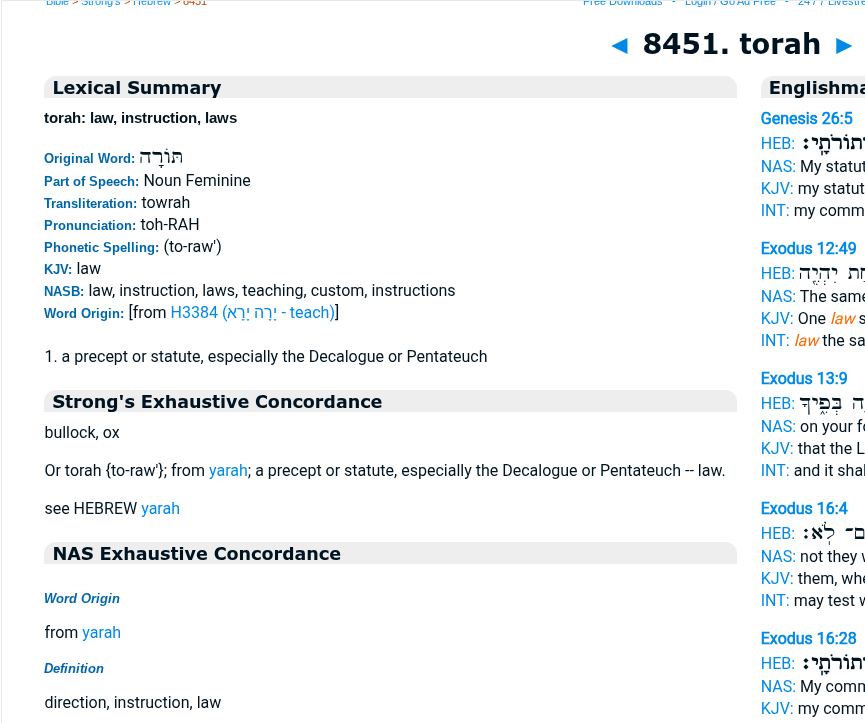
So when Jeremiah 31 says, “I will write my law in their hearts,”
it’s not talking about God engraving tablets inside of us —
it’s saying His teachings would now be placed within us, guiding us from the inside out.
What Is That Teaching?
1 John 2:27 explains it perfectly:
27 But the anointing that you received from him abides in you, and you have no need that anyone should teach you. But as his anointing teaches you about everything, and is true, and is no lie—just as it has taught you, abide in him.
That “anointing” is the Holy Spirit.
And what does the Spirit teach us?
Not the law of Moses written in stone —
but the law of Christ, His teachings of faith, mercy, forgiveness, and love.
It’s no longer external commands being forced upon us —
it’s the Spirit of God within us shaping our hearts to live like Christ.
Jesus Confirmed This
John 14:26
“But the Comforter, which is the Holy Ghost, whom the Father will send in My name,
He shall teach you all things, and bring all things to your remembrance, whatsoever I have said unto you.”
That’s the fulfillment of the promise:
The Holy Spirit is now the teacher dwelling inside every believer,
bringing to mind Christ’s words, His instructions, His character — His law.
The “law written in your heart” in the New Covenant isn’t about memorizing commandments —
it’s about being taught by the Spirit to walk in Christ’s ways.
The Holy Spirit is the new Teacher.
Christ’s words are the new Law.
And your heart is now the new tablet where God writes His truth.
Paul makes it clear we are in the new covenant
2 Corinthians 3:1 — Paul Defends His Ministry
Do we begin again to commend ourselves? or need we, as some others, epistles of commendation to you, or letters of commendation from you?”
Paul opens this chapter responding to a subtle accusation.
Some people were saying he bragged too much about his work or his authority as an apostle. They pointed to how he sometimes spoke boldly about his ministry (like in 1 Corinthians 9 and 14) and took it as pride.
But here Paul clears that up — he’s not boasting, he’s defending his calling.
His ministry wasn’t self-appointed; it was given by God.
Letters of Commendation
Back then, traveling teachers or preachers often carried letters of recommendation when visiting other churches basically, proof that they were trustworthy.
Even the apostles sometimes gave these letters (see Acts 18:27 or Romans 16:1).
But Paul says, “I don’t need that.”
Why?
Because the Corinthians themselves were his letter of recommendation living proof that God had truly worked through him.
His ministry had already changed their lives.
That was more powerful than any written letter.
2 Corinthians 3:2 — The Living Letter
Ye are our epistle written in our hearts, known and read of all men.”
Paul continues his thought from verse 1.
He says, “You are our epistle” — meaning the Corinthian believers themselves were the proof of his ministry.
He didn’t need a letter of recommendation written on paper, because their changed lives were the living evidence that God had truly worked through him.
Written in Our Hearts
When Paul says “written in our hearts,” he’s showing how deeply connected he was to them.
Unlike the false teachers who carried physical letters in their hands, Paul carried the Corinthians in his heart — like a spiritual father carrying the names of his children before God.
Some scholars even compare this to the high priest in Exodus 28:29, who wore the names of the twelve tribes of Israel over his heart when entering the holy place to intercede for them.
That’s how Paul viewed his relationship with this church — not distant or formal, but deeply personal.
Known and Read of All Men
Their faith and transformation were like an open book —
anyone could see the work of God in them.
In other words, their lives preached louder than any letter could.
2 Corinthians 3:3 — The New Covenant Written on Hearts
2 Corinthians 3:3
Forasmuch as ye are manifestly declared to be the epistle of Christ ministered by us, written not with ink, but with the Spirit of the living God; not in tables of stone, but in fleshy tables of the heart.”
Paul says the Corinthian believers are clearly shown to be Christ’s letter, written through his ministry.
Christ is the author, and His grace and image are what’s written inside them.
The apostles were only instruments — “ministered by us” like pens in His hand.
This writing was not done with ink, meaning not by human effort or natural power,
but by the Spirit of the living God, who writes every line of grace in the soul.
The Spirit begins, continues, and completes the work giving life to what He writes.
Then Paul makes a contrast between the Old Covenant and the New Covenant.
Under the law, God wrote His commands on tables of stone (Exodus 32:15–16):
The tables were the work of God, and the writing was the writing of God, graven upon the tables.”
Those stone tablets showed both the firmness of the law and the hardness of man’s heart.
But now, under the New Covenant, the Spirit writes not on stone but on “fleshly tables of the heart.”
This fulfills Ezekiel 36:26:
A new heart also will I give you, and a new spirit will I put within you:
and I will take away the stony heart out of your flesh, and I will give you an heart of flesh.”
The heart becomes soft and tender, ready to receive God’s truth.
This is also echoed in Proverbs 3:3 —
Write them upon the table of thine heart.”
2 Corinthians 3:4 — Confidence Through Christ, Not Self
“And such trust have we through Christ to God-ward.”
After explaining that the believers are living letters written by the Spirit, Paul now says this confidence this trust in their transformation doesn’t come from pride or self-promotion.
“And such trust have we…”
Paul is saying,
This confidence we have about our ministry that it is real, effective, and God-approved is not based on our own skill or success, but on what we’ve seen Christ do in you.”
He’s referring back to what he already said:
- God spread the sweet aroma of Christ through their preaching (2:14–15).
- The Corinthians were living proof of that power (3:2–3).
So Paul’s confidence is not arrogance — it’s faith based on evidence of what God’s grace has accomplished.
“…through Christ…”
Their trust isn’t in themselves as ministers, but through Christ — meaning Christ is both the source and reason for their confidence.
Everything they did — preaching, teaching, converting souls — was by Christ’s grace, not human strength.
This is the mark of true ministry: confidence rooted in Christ’s work, not personal reputation.
“…to God-ward.”
Their confidence points toward God, not man.
In other words, Paul says:
“The success of our ministry doesn’t make us boast before people it makes us trust God even more.”
He recognizes that the fruit of his work (the changed lives of believers) belongs to God alone.
2 Corinthians 3:5 Our Sufficiency Is from God
Not that we are sufficient of ourselves to think any thing as of ourselves; but our sufficiency is of God.”
“Not that we are sufficient of ourselves…”
Paul quickly clarifies — his confidence (v.4) isn’t pride.
He wants no one to think he’s boasting in his own ability.
He’s saying:
Yes, God has used us mightily… but it’s not because we’re capable on our own.”
Paul includes everything from meditation to preaching to conversion as beyond human sufficiency.
“…to think any thing as of ourselves…”
Even the smallest good thought or intention doesn’t come from us independently.”
This echoes Philippians 2:13 — “For it is God who works in you both to will and to do of his good pleasure.”
The mind itself is dependent on the Spirit’s illumination.
So if the apostles could not even “think” properly on their own, then surely the power to write God’s law on hearts (as in verse 3) can only come from the Spirit, not from human effort.
“…but our sufficiency is of God.”
This is the heart of the New Covenant message.
Everything that works in us conviction, repentance, understanding, and obedience flows from God’s sufficiency, not man’s.
That’s why Paul could speak so boldly: he knew the results didn’t depend on him.
He was just a vessel.
The power, the grace, the ability — all of it came from God.
2 Corinthians 3:6
Who also hath made us able ministers of the new testament; not of the letter, but of the spirit: for the letter killeth, but the spirit giveth life.”
Paul explains that God Himself made them “able ministers,” not by human training but by His Spirit. Their ministry belongs to the New Covenant the covenant of grace that existed from eternity in Christ and was shown to Adam and the patriarchs, though once hidden behind sacrifices and shadows. Now it’s revealed clearly through the gospel, never to be replaced by another covenant.
When he says they’re not “of the letter,” he means their work isn’t tied to the old law that was written on stone what Romans 7:10 calls the commandment that brought death.
The law shows right and wrong but gives no power to live it out. It exposes sin and condemns. But the “Spirit” Paul speaks of is the same one Jesus mentioned in John 6:63, “the Spirit gives life.” Under this new covenant, God writes His law in our hearts (Jeremiah 31:33; Ezekiel 36:27), giving believers both forgiveness and power to obey.
So while the letter of the old covenant kills, the Spirit of the new gives life. That’s the proof that the New Covenant isn’t future—it’s already here, working in all who live by the Spirit of Christ.
2 Corinthians 3:7
But if the ministration of death, written and engraven in stones, was glorious, so that the children of Israel could not steadfastly behold the face of Moses for the glory of his countenance; which glory was to be done away.”
Paul now contrasts the fading glory of the old covenant with the lasting glory of the new. The “ministration of death” refers to the law given to Moses on Mount Sinai written and engraved by the very finger of God on tables of stone (Exodus 31:18; 32:16). That law was holy and glorious in appearance, but it carried a sentence of death for every violation. Those who broke its commands idolatry, murder, adultery, even dishonoring parents were condemned to die. Beyond physical punishment, it also ministered eternal death, for the law reveals sin but cannot save from it.
Even so, that covenant came with glory. When Moses descended from the mountain, his face shone with such brightness that Israel couldn’t look directly at him (Exodus 34:29–35). The light on his face testified that the law truly came from God. Yet that radiance faded away, showing that the covenant it represented was temporary.
So if the ministry that condemned men came with glory, how much greater must be the glory of the Spirit’s ministry, which brings righteousness and life (Romans 8:2–4). The fading light on Moses’ face was a sign that the old covenant was already passing away, making room for the everlasting glory of the New Covenant now revealed in Christ.
2 Corinthians 3:8–9
2 Corinthians 3:8–9
How shall not the ministration of the Spirit be rather glorious? For if the ministration of condemnation be glory, much more doth the ministration of righteousness exceed in glory.”
Paul continues his comparison to show that if the old covenant, which brought death and condemnation, had glory, the new covenant must have far more. The “ministration of the Spirit” is the Gospel, because it not only brings spiritual truths like forgiveness, peace, and salvation, but also gives the Holy Spirit Himself, who writes these truths into the heart (Jeremiah 31:33; Ezekiel 36:27). Through the Gospel, the Spirit gives light, comfort, and life—everything the law could never give.
By contrast, the law is the “ministration of condemnation.” It reveals sin, pronounces guilt, and sentences man to death. Even though that law had divine glorywhen given through Moses on Sinai—it still condemned everyone under it (Romans 3:19–20). But the Gospel is the “ministration of righteousness,” because it declares sinners righteous through Christ’s perfect obedience and sacrifice (Romans 5:18–19; Philippians 3:9).
So if the covenant that condemned had glory, how much greater is the glory of the covenant that justifies? The law showed God’s holiness, but the Gospel shows His mercy and power to save—not written on stone, but in living hearts by the Spirit.
2 Corinthians 3:10
2 Corinthians 3:10
For even that which was made glorious had no glory in this respect, by reason of the glory that excelleth.”
Paul admits that the law truly had glory — it came directly from God, was written by His own finger, and was surrounded by thunder, fire, and angels on Mount Sinai. Its content was righteous and holy, calling for love toward God and neighbor. Yet, when compared to the Gospel, that old glory fades into nothing.
The law revealed God as a judge, but the Gospel reveals Him as a Father. The law came from His holiness and justice, but the Gospel flows from His grace and love. The law declared what man must do; the Gospel declares what Christ has done. One was written on stone, the other came from the very heart of God, revealed through Christ Himself.
Even Moses’ radiant face could not compare to the glory of Christ’s unveiled face in the Gospel (John 1:17; Hebrews 1:3). The old covenant’s brightness was swallowed up by a greater light—the everlasting glory of the New Covenant, where grace and truth shine without fading.
2 Corinthians 3:11
2 Corinthians 3:11
For if that which is done away was glorious, much more that which remaineth is glorious.”
Paul now draws the final contrast between the two covenants. The law—the entire ministry given through Moses—is described as “that which is done away.” It once shone with divine glory, but its purpose was temporary. The commandments engraved on stone, along with the old system of sacrifices and ordinances, were designed to point toward something greater—Christ Himself.
The Gospel, however, is “that which remains.” Unlike the fading ministry of Moses, the message of Christ never loses power. It cannot be corrupted, overthrown, or replaced. The law served its time to reveal sin and bring conviction, but the Gospel remains forever as the living word of grace that saves and transforms hearts (Matthew 24:35; Hebrews 13:8).
So while the law had glory for a season, the Gospel’s glory is eternal. The old covenant ended in condemnation; the new covenant continues in righteousness. What was carved in stone has passed, but what’s written on hearts by the Spirit will never fade.
2 Corinthians 3:12
2 Corinthians 3:12
Seeing then that we have such hope, we use great plainness of speech.”
Because the ministry of the New Covenant is permanent and far more glorious than the old, Paul says this gives them boldness and confidence in preaching. Unlike Moses, whose face was veiled and whose message carried fear and distance, the apostles spoke openly and clearly. Their message wasn’t wrapped in symbols or hidden behind ceremony—it revealed the fullness of God’s grace through Christ.
This “hope” isn’t wishful thinking; it’s a sure confidence that the Gospel will endure forever and that its glory will never fade. Knowing that, Paul and the other ministers could speak with plainness of speech—without fear of persecution or the approval of men. They declared the truth freely, hiding nothing, because the New Covenant brings clarity where the old brought obscurity.
Where Moses had to cover his shining face, the ministers of Christ can uncover the truth boldly—because the veil has been lifted through the Spirit.
2 Corinthians 3:13
2 Corinthians 3:13
And not as Moses, which put a veil over his face, that the children of Israel could not steadfastly look to the end of that which is abolished.”
Paul explains that unlike Moses, who covered his shining face with a veil, the ministers of the New Covenant have nothing to hide. When Moses came down from Mount Sinai, his face reflected God’s glory so intensely that the Israelites couldn’t bear to look at him (Exodus 34:33–35). He veiled his face partly to calm their fear, but symbolically, that veil represented the hidden nature of the law—the Gospel was there within it, but covered and unclear.
That same veil also foreshadowed the spiritual blindness of Israel in Paul’s day. Just as they couldn’t look at Moses’ unveiled face, they couldn’t look to Christ, who is “the end of the law for righteousness” (Romans 10:4). The glory that Moses carried was fading—pointing to a covenant that would one day be abolished. But the glory of Christ, the fulfillment of that law, remains unveiled and everlasting.
In short, Moses’ veil signified distance and obscurity; Christ removes the veil, bringing full revelation and open access to God.
2 Corinthians 3:14
2 Corinthians 3:14
But their minds were blinded: for until this day remaineth the same veil untaken away in the reading of the Old Testament; which veil is done away in Christ.”
Paul explains that the veil Moses wore now lives on spiritually—in the hearts of the Jews. Their minds were darkened so that, even when they read the Scriptures every Sabbath, they could not see what those Scriptures truly pointed to: Christ. The same blindness that kept Israel from looking at Moses’ shining face keeps them from seeing the glory of the Gospel.
This veil isn’t physical—it’s a spiritual covering of ignorance and unbelief. The Old Testament, which testifies of Christ in types and prophecies, remains a closed book to them because they read it without the light of the Spirit. Only in Christ is that veil taken away. When a person turns to Him, the Spirit removes the blindness, revealing that the law and the prophets were always pointing to the New Covenant and to the righteousness that comes by faith.
2 Corinthians 3:15
2 Corinthians 3:15
But even unto this day, when Moses is read, the veil is upon their heart.”
Paul continues the thought—every time the writings of Moses are read in the synagogues, that same spiritual veil still covers the hearts of the people. They hear the law but don’t perceive its true meaning or purpose. Their blindness isn’t over their eyes now, but over their hearts—the center of understanding and faith.
This veil represents their refusal to see that the law itself points to Christ as its fulfillment (John 5:46; Romans 10:4). Instead, they cling to outward traditions and self-righteousness, missing the spiritual message hidden beneath the letter.
So even with Scripture in their hands, the truth remains concealed—until the heart turns to the Lord, that veil remains in place.
2 Corinthians 3:16
2 Corinthians 3:16
Nevertheless when it shall turn to the Lord, the veil shall be taken away.”
Paul now gives the hope behind all the blindness he’s been describing. Though Israel’s heart is veiled now, the moment it turns to the Lord, that veil is lifted. The “it” refers to the heart of the people—once hardened and proud—but when touched by the Spirit and drawn to Christ, understanding is restored.
This is not only true for the nation of Israel in the future but for every individual soul today. When a person turns to Christ—acknowledging Him as Lord and Savior—the fog of unbelief clears. The Scriptures that once seemed closed suddenly open, and the glory of Christ becomes visible.
Just as Moses removed his veil when entering God’s presence (Exodus 34:34), those who come to Christ can now behold God’s glory with an unveiled face. The law’s mysteries, the prophets’ words, and the Gospel itself all come into perfect focus through Him. The moment the heart turns, the blindness ends.
2 Corinthians 3:17
2 Corinthians 3:17
Now the Lord is that Spirit: and where the Spirit of the Lord is, there is liberty.”
Paul reveals that the “Lord” to whom the heart turns is Jesus Christ, and He is “that Spirit.” This doesn’t mean Christ is the Holy Spirit in person, but that the life and power of the Spirit flow from Him. Christ is the true substance and Spirit behind the law—without Him, the law is just a dead letter. When a person turns to Christ, the Spirit of God enters and brings life, clarity, and freedom.
Where the Spirit of the Lord is, there is liberty—freedom from blindness, from sin’s control, from fear, and from the curse of the law. The law brought bondage because it demanded perfect obedience without giving power to fulfill it. But the Gospel, filled with the Spirit, produces willing obedience born out of love.
This liberty isn’t a license to sin; it’s freedom to live as sons, not slaves (Romans 8:15). The Spirit removes fear and condemnation, opens access to God, and gives believers boldness and peace. Wherever the Spirit rules, the chains of law and guilt fall away, and true spiritual life begins.
2 Corinthians 3:18
2 Corinthians 3:18
But we all, with open face beholding as in a glass the glory of the Lord, are changed into the same image from glory to glory, even as by the Spirit of the Lord.”
Unlike Moses—who veiled his face—Paul says we all, meaning every believer, now look upon God’s glory with unveiled faces. The veil of ignorance and bondage has been removed through Christ, so we no longer approach God in fear, but in freedom. Through the Gospel—the mirror of truth—we behold the glory of the Lord, not dimly as Israel once did, but clearly through faith.
The “glass” Paul mentions is the Gospel itself, through which we see Christ’s character, His grace, and His divine glory. As we keep beholding Him, something miraculous happens: we are transformed into His image. The more we look upon Christ, the more His likeness is imprinted upon our hearts. This transformation is gradual—“from glory to glory”—meaning from one stage of spiritual maturity to another, growing in holiness, faith, and love.
This change isn’t achieved by human effort but by the Spirit of the Lord, who renews our minds, reshapes our hearts, and prepares us for the ultimate glory to come. Just as Moses’ face once reflected God’s glory physically, believers now reflect it spiritually—through lives that bear the image of Christ.
Galatians 4: Cast away the old covenant
Galatians 4:21
Tell me, ye that desire to be under the law, do ye not hear the law?”
Paul confronts the Galatians directly—especially those who wanted to go back under the Mosaic law as the means of righteousness. He’s not speaking to believers who obey the law out of love for God, but to those who sought justification through it. They desired to live under the covenant of works, thinking obedience could save them. But that was spiritual blindness, because to place yourself under the law is to place yourself under its curse (Galatians 3:10).
Paul asks, “Do you not hear the law?”—meaning, do you not understand what the law actually says? The law doesn’t promise life to the imperfect; it condemns the guilty and demands death for sin. Anyone who listens honestly to the law’s voice hears its message of judgment, not salvation.
By appealing to the very Scriptures they claimed to follow, Paul exposes their contradiction: the same writings of Moses they boasted in actually prove that the law cannot justify. It only reveals guilt and drives sinners to Christ, the true end and fulfillment of the law (Romans 10:4).
The two sons
Galatians 4:22
For it is written, that Abraham had two sons, the one by a bondmaid, the other by a freewoman.”
Paul turns to Scripture to illustrate his point. Abraham had more than two sons in total, but only Ishmael and Isaac matter for his argument. These two sons represent two completely different covenants. Ishmael, born of Hagar the bondwoman, symbolizes those under the law—a covenant of bondage. Isaac, born of Sarah the freewoman, represents those born through promise—the covenant of grace.
The story of Abraham’s household becomes a living parable. The bondwoman and her child stand for slavery under the law; the freewoman and her child stand for freedom through faith. Those who cling to the Mosaic covenant are like Hagar’s descendants—still bound. But those who believe in Christ are like Isaac—children of promise, heirs through the liberty of the New Covenant.
Galatians 4:23
But he who was of the bondwoman was born after the flesh; but he of the freewoman was by promise.”
Ishmael, born of Hagar the bondwoman, came into the world through ordinary human means—“after the flesh.” His birth followed the natural order, showing no special act of divine intervention. He represents the natural descendants of Abraham—those who rely on human effort and the works of the law.
Isaac, however, was born “by promise.” God had promised Abraham a son even when both he and Sarah were beyond the age of bearing children. His birth was the result of God’s power and grace, not human strength. This distinction makes Isaac a type of the true children of God those born not of the flesh, but through the Spirit and the promise.
Galatians 4:24
Which things are an allegory: for these are the two covenants; the one from the mount Sinai, which gendereth to bondage, which is Agar.”
Paul explains that the story of Hagar and Sarah is more than just history—it’s an allegory, meaning it carries a deeper, spiritual lesson. What happened between these two women and their sons represents something greater: the two covenants or two ways God has dealt with His people.
Hagar, the slave woman, stands for the covenant that came from Mount Sinai—the Law given through Moses. That covenant brought people into bondage, because it demanded obedience but gave no power to keep it. Those who lived under it were always under fear and guilt, just like Hagar’s child was born into slavery.
Sarah, on the other hand (as Paul will show next), represents the new covenant—the one of freedom and promise. So, Hagar pictures the old law that makes slaves; Sarah pictures the new life of liberty through God’s promise in Christ.
Galatians 4:25
For this Agar is Mount Sinai in Arabia, and answereth to Jerusalem which now is, and is in bondage with her children.”
Paul explains that Hagar represents Mount Sinai—the place where the law was given. Sinai was located in Arabia, outside the land of promise, showing that the law itself could never bring anyone into the inheritance. Just as Hagar was a servant and not the heir, so the covenant made at Sinai produced only servants, not free children.
Hagar also “answers to,” or represents, Jerusalem that now is—meaning the earthly Jerusalem of Paul’s time, filled with Jews still living under the bondage of the law. They were under Roman rule outwardly and under sin and fear inwardly. The law demanded obedience but gave no power to fulfill it, so it kept them tied to guilt and ritual—offering sacrifices that could never take away sin.
So just as Hagar and her son were slaves, those who trust in the law remain in bondage. But the freedom God promised would come only through the other woman, Sarah—through the covenant of promise, not law.
Galatians 4:27
For it is written, Rejoice, thou barren that bearest not; break forth and cry, thou that travailest not: for the desolate hath many more children than she which hath an husband.”
Paul quotes Isaiah 54:1 to show that the Jerusalem above—the church under the new covenant—is the true mother bringing forth multitudes of spiritual children. The “barren woman” here represents the Gospel church at its beginning, when it seemed small and empty—just a handful of disciples, about 120 people after Christ’s death. She looked desolate, as if left without her husband.
But after the resurrection and the coming of the Holy Spirit, she was filled with life. On the day of Pentecost, thousands were added in one day. The once barren church suddenly became fruitful, bringing both Jews and Gentiles to faith. Paul says this growth far exceeds that of the old covenant church, which had God as a husband under the law (Jeremiah 31:32).
So the barren woman is told to rejoice and sing, because God’s grace has made her fruitful. The new covenant people—born by promise, not by the law—are now the many children of this once-desolate Jerusalem.
Galatians 4:29
But as then he that was born after the flesh persecuted him that was born after the Spirit, even so it is now.”
Paul points back to the story of Ishmael and Isaac to show how those who live by the flesh always oppose those born of the Spirit. Ishmael, born in the ordinary way through Hagar, represents people who depend on their own works and human strength. Isaac, born through God’s promise and power, represents those born again by the Spirit and living by faith.
In Genesis 21:9, Ishmael mocked Isaac—a small act, but one that revealed the same spirit of pride and hatred found in all who trust in their own righteousness. That mockery was a form of persecution. In the same way, Paul says, the self-righteous Jews of his day persecuted believers in Christ. Those who depend on the law still mock and fight against the message of grace.
So just as Ishmael despised Isaac, those who are “after the flesh” continue to oppose those “after the Spirit.” The conflict between law and grace—between self-effort and faith—still remains.
Galatians 4:30
Nevertheless what saith the scripture? Cast out the bondwoman and her son: for the son of the bondwoman shall not be heir with the son of the freewoman.”
Paul quotes Genesis 21:10, where Sarah told Abraham to send away Hagar and her son Ishmael. Though those were Sarah’s words, Paul shows they carried God’s approval, because in Genesis 21:12, God confirmed that Sarah’s judgment was right.
This event was a picture of how God would later reject the self-righteous, those trying to be justified by the law. Hagar and Ishmael represent the covenant of works—the fleshly system that produces servants, not heirs. Sarah and Isaac represent the covenant of grace—those born by faith and promise. Just as Ishmael could not share in Isaac’s inheritance, so no one trusting in the law can share in the blessings of the Gospel.
The meaning is clear: the two covenants cannot mix. Law and grace, flesh and Spirit, cannot rule together in the same house. Those born of the Spirit—like Isaac—inherit God’s promises, while those still relying on the law are cast out, excluded from the true inheritance found only in Christ.
Galatians 4:31
So then, brethren, we are not children of the bondwoman, but of the free.”
Paul closes the allegory by making the lesson plain: believers in Christ are not children of the bondwoman—not under the covenant that brings bondage and fear, as Hagar represented. Through faith, we belong to the freewoman, Sarah, who symbolized the new covenant of grace and freedom.
Those born of the Spirit, like Isaac, are not slaves to the law’s demands or to sin’s control. They are heirs of promise—set free by Christ. The contrast is total: law produces servants; grace produces sons. Since we are born of the free, we are called to live as free—no longer bound under the old yoke, but standing in the liberty that comes through Christ alone.
Covenant adultery
Romans 7:1
Know ye not, brethren, (for I speak to them that know the law,) how that the law hath dominion over a man as long as he liveth?”
Paul begins this chapter by explaining his earlier statement that believers are not under the law (Romans 6:14). He turns especially to Jewish believers who understood the Law of Moses, calling them “brethren” to soften his words. He reminds them of a simple truth: the law only has authority while a person lives.
As long as a man lives, the law rules him—it can command, accuse, and punish. But when he dies, its power ends. Death breaks the bond between the law and the person it governed. In the same way, when believers are joined to Christ in His death, they die to the law’s rule and are no longer bound by it.
So Paul sets up the main point of this chapter: just as death frees a person from all earthly law, our spiritual death with Christ frees us from the old covenant’s dominion—so that we can now serve God under a new and living way.
Romans 7:2
For the woman which hath an husband is bound by the law to her husband so long as he liveth; but if the husband be dead, she is loosed from the law of her husband.”
Paul uses marriage to explain his point about the law’s power. A married woman is bound by law to her husband as long as he lives—she must remain faithful and live under that bond. But when her husband dies, that law no longer binds her; she’s free from it and can lawfully marry another.
In the same way, Paul is showing that the law’s rule lasts only while one is “alive” under it. Death ends its authority. This picture sets up his main argument: just as death frees a wife from her husband’s law, our death with Christ frees us from the old law’s claim over us.
Romans 7:3
So then if, while her husband liveth, she be married to another man, she shall be called an adulteress: but if her husband be dead, she is free from that law; so that she is no adulteress, though she be married to another man.”
Paul continues his example to make the point clear. As long as a woman’s husband is alive, if she marries another man, she’s counted an adulteress because she’s still bound by the law of marriage. But if her husband dies, that law no longer applies—she’s completely free to marry again, and no one can accuse her of sin.
Paul uses this simple truth to show how death changes legal obligation. Just as death frees the woman from her husband’s law, death to the law through Christ frees believers from its hold—so that they can now be joined to another, Christ Himself, under a new covenant.
Romans 7:4
Wherefore, my brethren, ye also are become dead to the law by the body of Christ; that ye should be married to another, even to him who is raised from the dead, that we should bring forth fruit unto God.”
Paul now applies his marriage example to believers. Just as a woman is freed from her husband’s law when he dies, believers are freed from the law’s authority through the death of Christ. In His body—through His death—Jesus satisfied all that the law demanded. Because of that, the law no longer has power to condemn or rule over those who are in Him.
Through this death, we are now joined to another Husband—Christ, the One who rose from the dead and will never die again. This new union isn’t about serving out of fear or duty, but out of love and life through the Spirit.
The result of this union is fruit—good works that please God. Just as children are the fruit of a marriage, so the good works that come from faith in Christ are the fruit of our new relationship with Him. Only those who are joined to Christ can bring forth true, living fruit to God; everything done outside of Him is like a child born out of wedlock—without life or legitimacy in God’s eyes.
Romans 7:5
For when we were in the flesh, the motions of sins, which were by the law, did work in our members to bring forth fruit unto death.”
Paul looks back to what life was like before salvation—when we were “in the flesh,” meaning in our natural, sinful state, without the Spirit of God. To be “in the flesh” doesn’t just mean having a human body, but living under the control of sin and corrupt desires, ruled by our fallen nature.
In that old state, the sinful passions within us were stirred up “by the law.” The law itself isn’t sinful—it’s holy—but when the law forbids something, our sinful nature rebels against it. Like a child who wants something more the moment it’s forbidden, sin in us is provoked by the very commandment meant to restrain it.
These sinful impulses worked “in our members,” meaning they used the parts of our body to act out disobedience—producing fruit unto death. In other words, everything that came from that old life led only to guilt, corruption, and judgment. Without the Spirit, the law exposed sin but couldn’t cure it; it only made our bondage more obvious.
Romans 7:6
But now we are delivered from the law, that being dead wherein we were held; that we should serve in newness of spirit, and not in the oldness of the letter.”
Paul says that believers have been set free from the law—not from obedience to God, but from the law’s old power to condemn and control. Through Christ, we are no longer under the covenant of works, nor bound by the law’s curse or its demands for perfect righteousness. The law that once held us like prisoners has lost its power because we died with Christ, and death ends the law’s claim.
Now that we’re free, it’s not so we can live carelessly, but so we can serve God in a new way—“in newness of spirit.” This means serving from a renewed heart, under the influence of the Holy Spirit, out of love instead of fear. The old way, “in the oldness of the letter,” was outward and rigid—following commands without life or power.
In short, the believer’s obedience now flows from grace, not guilt; from the Spirit, not the letter. The law once produced “fruit unto death,” but freedom in Christ produces living fruit—service that pleases God because it comes from a changed heart.
Galatians 5:18 & 5:23
Gal 5:18-23
18 But if ye be led of the Spirit, ye are not under the law.
19 Now the works of the flesh are manifest, which are these; Adultery, fornication, uncleanness, lasciviousness,
20 Idolatry, witchcraft, hatred, variance, emulations, wrath, strife, seditions, heresies,
21 Envyings, murders, drunkenness, revellings, and such like: of the which I tell you before, as I have also told you in time past, that they which do such things shall not inherit the kingdom of God.
22 But the fruit of the Spirit is love, joy, peace, longsuffering, gentleness, goodness, faith,
23 Meekness, temperance: against such there is no law.
When Paul says, “If ye be led by the Spirit, ye are not under the law,” he’s showing the difference between a life ruled by rules and a life guided by the Holy Spirit.
If the Spirit of God is leading you, it means:
- You’ve already been made spiritually alive.
- You’re being guided step by step like a child learning to walk or a blind person being led safely.
- You’re no longer driven by fear or guilt but by love and trust.
The Spirit doesn’t force you; He draws you toward what’s good—away from sin, self-righteousness, and bondage to rules—and brings you to Christ, to His grace and truth.
So when you’re led by the Spirit, you’re free from the law’s condemnation and from the old fear-based obedience. You obey now because you want to, not because you have to.
Then Paul lists the fruit of the Spirit, ending with:
Meekness, temperance: against such there is no law.”
Meekness means humility—having a gentle, lowly heart like Christ’s, not thinking too highly of yourself, but walking humbly before God and treating others with grace.
Temperance means self-control—moderation, restraint, especially over your desires and appetites (in speech, food, drink, or pleasure).
These traits—and all the other fruits like love, joy, peace, and faith—don’t need any law to control them. There’s no law against these things because they perfectly reflect what the law was always meant to produce.
So those who are led by the Spirit don’t need to be policed by rules—their lives naturally bear fruit that honors God.


